


Africa Needs Appropriate Mechanization Systems, Not Machines
And Solutions Are Already Working!
Based on original article by Beth Bechdol, FAO Deputy Director-General
Africa’s mechanization challenge is not about machines—it’s about systems. The Food and Agriculture Organization (FAO) highlights a new approach, and the ADC Africa Group demonstrates how practical, scalable solutions are already working on the ground.
A New Vision: Systems, Not Just Machines
The Food and Agriculture Organization makes a compelling case that Africa’s mechanization challenge is not due to a lack of effort—but rather a fundamental mismatch between imported models and local realities.
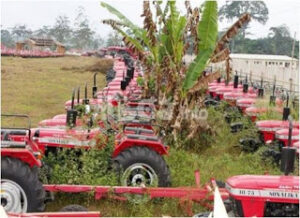
For decades, mechanization strategies assumed that introducing tractors—similar to those used in Europe or North America—would automatically transform African agriculture. In practice, this approach has repeatedly failed. Across the continent, the results are visible: idle machinery, high maintenance costs, lack of spare parts, and equipment abandoned after only a few seasons.
A Structural Mismatch with African Farming Systems
The core issue lies in the structure of African agriculture itself. Most farms are small (often under two hectares), yet mechanization programmes have typically focused on large, capital-intensive equipment.
Crucially, these interventions were rarely supported by the systems needed to sustain them:
- Limited access to finance
- Lack of trained operators
- Weak maintenance and repair networks
- Poor availability of spare parts
Without these foundations, mechanization efforts were often unsustainable from the outset.
Exclusion, Fragmentation and Missed Opportunities
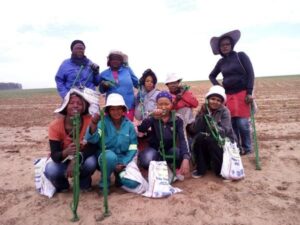
Mechanization initiatives have also often been fragmented and insufficiently inclusive. Women—who form a significant part of the agricultural workforce—have frequently had limited access to equipment, finance, and training.
Short-term, project-based interventions have struggled to build lasting ecosystems, resulting in isolated successes rather than scalable impact.
The consequences are clear: continued reliance on manual labour, low productivity, and declining interest in agriculture among young people due to its physically demanding nature.
A Systems-Based Approach to Mechanization
The FAO argues that a fundamentally different model is required—one based on sustainable, locally driven mechanization systems.
This approach shifts the focus from machinery alone to integrated ecosystems that include:
- Appropriate, small-scale and adaptable technologies
- Access-based models (such as mechanization services)
- Reliable maintenance and support infrastructure
- Skills development and training systems
- Inclusion of women and youth
Mechanization, in this context, becomes a catalyst for broader agricultural transformation.
From Labour Replacement to Productivity Transformation
Importantly, mechanization is not about replacing labour—it is about transforming it.
When properly implemented, it:
- Reduces physical drudgery
- Improves efficiency and yields
- Enables value addition
- Creates new jobs across the value chain
From machine operators and technicians to service providers and agro-processing entrepreneurs, mechanization can drive inclusive rural economic growth.
Evidence That It Can Work
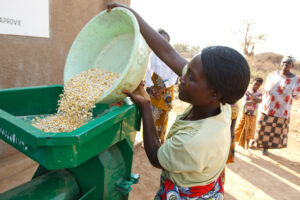
The FAO highlights emerging success stories across Africa—from locally adapted machinery in East Africa to small-scale processing solutions in West Africa.
These examples demonstrate that practical, scalable solutions already exist. The challenge now is to move beyond isolated pilots and build coordinated systems that can scale across regions and countries.
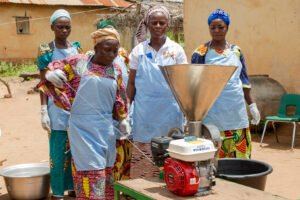
How ADC Group Delivers Practical Solutions: Some Examples
Aftrak – Mechanization & Energy Ecosystem
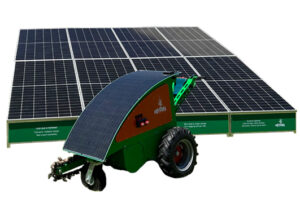
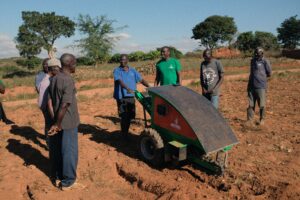 Aftrak first generation solar-powered micro tractor for smallholder farming Africa
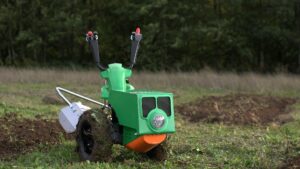
Aftrak combines mechanization with renewable energy—linking solar microgrids with compact electric tractors.
Examples:
- Solar-powered micro electric tractors
- Deep-bed farming implements
- Integrated energy + farming systems
🔗 Website: https://www.aftrak.com
🔗 CNN article: https://edition.cnn.com/world/africa/solar-powered-micro-electric-tractors-malawi-aftrak-spc
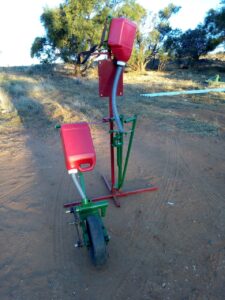
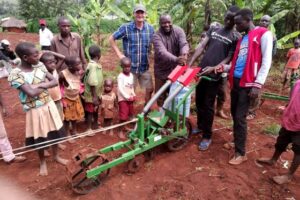
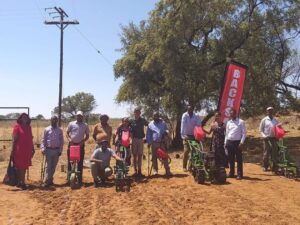
Backsaver – Labour-Saving Field Tools
 |
 |
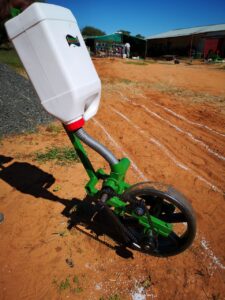 |
Backsaver delivers practical, affordable tools for smallholder productivity.
Examples:
- Push/pull & jab planters
- Wheel fertilizer applicators
- Inter-row weeders
🔗 Website: https://www.backsaver.co.za
🔗 Agri4Africa article: https://agri4africa.com/smart-tools-for-african-farmers-by-backsaver/
Mayfield Enterprises – Precision Fertilizer Application
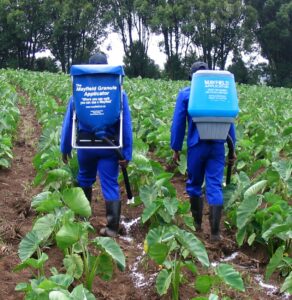
Mayfield Enterprises focuses on improving productivity through accurate input application.
Examples:
- Fertilizer spreaders
- Band placement applicators
- Lime spreaders

🔗 Website: https://www.mayfield.co.za
🔗 Agri4Africa article: https://agri4africa.com/business-unusual-with-mayfield-enterprises/
KikiAgri – Scalable Poultry Production Systems
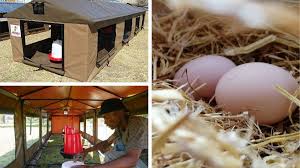
KikiAgri provides modular, technology-enabled poultry production systems for small-scale farmers.
Rather than mechanization alone, the focus is on efficient, standardised production units that integrate housing, feeding, and environmental control.
Key features:
- Broiler and layer production units
- Integrated feeding & watering systems
- Controlled production environments
- Scalable by adding units

🔗 Website: https://kikiagri.co.za
🔗 Agri4Africa article: https://agri4africa.com/kiki-agri-nkoko-chicken-houses/
Basils Business Opportunities – Agro-Processing Solutions
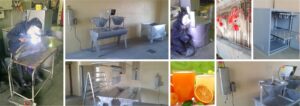
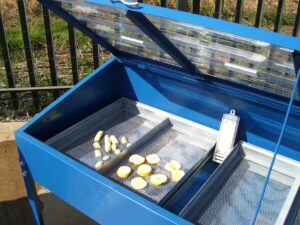
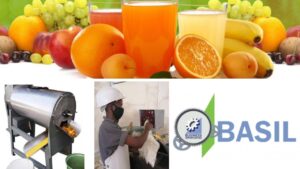
Basils Business Opportunities focuses on small-scale agro-processing systems.
Examples:
- Peanut butter processing units
- Oil presses
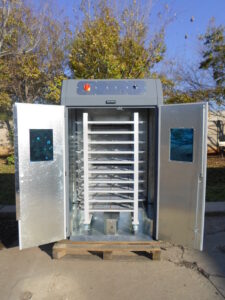
- Crop dryers (solar & electric)
- Poultry processing units
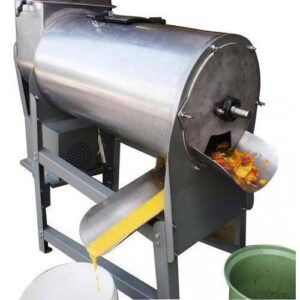
- Fruit pulping/juicing equipment

🔗 Website: https://basilsa.com/
🔗 Agri4Africa article: https://agri4africa.com/basils-business-opportunities/
Buhle Farmers Academy – Practical Famer Skills Training

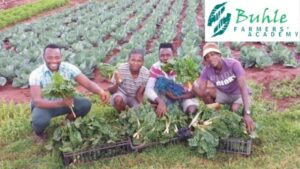
Buhle Farmers Academy builds the human capacity needed for successful commercial farming.
Our holistic programmes combine hands-on training in vegetable, crop, poultry and livestock production with farm business management and life-skills coaching. After graduation, our Farmer Support Officers mentor alumni for 12 months and manage financial support schemes for our most promising graduates.
Course examples:
- Crop production & farm management
- Mechanization training
- Poultry production
- Agri-business & finance
- Youth entrepreneurship
🔗 Website: https://buhle.org.za
🔗 Agri4Africa article: https://agri4africa.com/listing/buhle-farmers-academy/
Conclusion: From Strategy to Implementation
The Food and Agriculture Organization is clear—Africa needs systems, not machines.
The ADC Africa Group demonstrates how to deliver:
- Mechanization access
- Production systems
- Input efficiency
- Agro-processing
- Skills development
👉 A practical, scalable partner model for FAO and development organisations.
Source: Mechanizing Africa’s farms won’t work unless we do it differently by Beth Bechdol of the FAO
 Beth Bechdol is the Deputy Director-General at the Food and Agriculture Organization of the United Nations (FAO). In this role, she advances global food and agriculture efforts, overseeing FAO’s work on Emergencies and Resilience, which includes providing emergency agricultural assistance, addressing acute hunger, and supporting countries in food crises. She also leads FAO’s work on Resource Mobilization and South-South and Triangular Cooperation, and oversees technical work on land, water and plant production and protection. Additionally, she manages FAO’s main technical advisory body on agriculture, the Committee on Agriculture (COAG), and also the International Plant Protection Convention (IPPC) Secretariat.
Raised on a multi-generation grain farm in rural Indiana, she holds a bachelor’s degree from Georgetown University in international law and international affairs and a master’s degree from Purdue University in agricultural economics.
About the ADC Africa Group
ADC Africa Group is a pan-African integrated technology solutions and project delivery group focused on developing and implementing practical, scalable solutions across the agricultural value chain. Through its portfolio of companies—including Aftrak (mechanization services), Backsaver (smallholder tools), Mayfield Enterprises (precision input application), KikiAgri (modular poultry production systems), Basils Business Opportunities (agro-processing), and Buhle Farmers Academy (training and enterprise development)—the group combines technology, access, skills, and value addition into cohesive, field-proven systems. By working closely with farmers, development organisations, and investors, ADC Africa Group enables the transition from fragmented interventions to bankable, scalable agricultural projects across Africa.
Contact Details:
For more information, please contact Hennie van der Merwe at:
Mobile/WhatsApp: +27 83 655 4055
Email: agribusiness@iafrica.com
www.agri4africa.com
