


Regenerative Africa Alliance (RAA) Perspective
Long-Term Direction of Agriculture:
Benefits of Regenerative Agriculture (RA), Organic Fertilizers, and Amendments

The ‘Future of Fertiliser’ report by Anglo America (The Future of Fertilizer – Expert Perspectives on a Changing Landscape) represents the opinions of a diverse group of 74 agricultural experts from around the world who we asked to look 25 years into the future and tell us how agriculture will have changed by 2050 and what needs to happen in the fertiliser industry to keep it successfully and sustainably feeding the world. The experts included industry leaders, farmers, fertiliser producers, food companies, academics, policy influencers, analysts, investors, and other stakeholders representing different parts of the food value chain.
Report Summary:
To build the thriving food system that our experts foresee, the panel highlighted the need for the fertiliser industry to adapt – its thinking, structures, and rules. Fertilisers and the nutrients they provide will continue to underpin agricultural success (and we cannot feed the world without them), but how we think about their application must evolve, to preserve our resources for the long term.
Specifically, the panel said the industry needs to:
- Redefine the metrics for business success – move away from a sole focus on yield, and create frameworks to measure and value soil health, emissions, food nutrient content and the impact on nature.
- Prioritise scalable crop nutrition solutions with proven agronomic effectiveness across a broad range of crops, to maximise return on investment.
- Tailor solutions and incentives to the real needs of farmers.
- Focus more on soil health.
- Internalise the environmental costs of chemical fertilisers to define the real value of sustainable alternatives and incentivise their use.
- Work with farmers to build trust.
Above all else, the interviewees emphasised the need for a greater spirit of collaboration, openness, and humility on the road to 2050. Real progress, they said, hinges on fostering new and genuine partnerships between previously siloed stakeholder groups, to move towards a more resilient and sustainable future.

Together, we can contribute to a future where everyone has access to the food they need, produced in a way that respects and protects our planet, for generations to come. We invite you to join the conversation. A future with an abundant, sustainable food system is not promised; we must build it together.
Regenerative Africa Alliance Reaction

The RAA Consortium, consisting of Organic Fertilizer Manufacturers Botswana/Africa, Regenerative Agriculture Specialization, Microbial Plus and Hobson’s Choice Trading are all active players in the Regenerative Agriculture (RA) field and have considerable knowledge and experience to contribute meaningfully to the trend to move agriculture towards a more resilient and sustainable future.
Following here is their opinion piece on the Long-Term Direction of Agriculture: Benefits of Regenerative Agriculture (RA), Organic Fertilizers, and Amendments
We have addressed 75% of the issues listed in the Future of Fertiliser document as problems or areas needing resolution. To stay ahead, we must act now – demand for quality is rising across Europe, America, Asia, and Africa. New revelations are emerging daily, highlighting the severe decline in the nutritional value of our food – up to 75% in some cases – and the harmful effects of inorganic fertilizers, pesticides, and fungicides on plant, animal, and ultimately human health.
Experts aim to achieve these goals by 2050, but we can achieve much of this by 2030, coinciding with higher prices due to quality demand. Starting now can reduce costs from year one, while gradually moving away from agro-chemicals and chemical fertilizers. We have already reduced significant levels of artificial inputs without compromising yield and farm viability.
Key Discussion Points:
- Government Support: Global regulations increasingly favour regenerative agriculture (RA).
- Incentives for Quality: RA practices improve nutrient density, reduce chemical residues, and enhance taste, shelf life, and quality.
- Soil Health is Foundational: Healthy soils lead to better quality and profitability.
- Product Compatibility: Our adaptable products integrate easily with existing systems.
- Market Opportunities: The EU pays premium prices for high-quality produce; South Africa can replicate this model with lower input costs.
- U.S. Support: Leaders like RFK back RA for its cost-effectiveness.
Future of Fertilizers and Transition Strategy:
We are already deploying effective technologies- like granulated carbon and micro-nutrient infused organic fertilizers, chemically tolerant microbes, and plant immune boosters.
The transition cost cited in the paper – $1,600 to $4,300 per hectare – is simply inaccurate. When approached gradually, the shift to regenerative practices not only avoids these inflated costs but lowers per-hectare expenses. We’ve already proven that transitioning can be both cost-effective and profitable from day one.

Scalability of Organic Fertilizer:
Organic fertilizers offer diverse material options, having perfected technologies like granulated organics for easier application.
Comment: Our soils and skies contain all necessary nutrients. Adopting current practices can activate biological diversity to release them. We can source carbohydrates from sunlight, CO2, and H2O, essential for life. CO2 is crucial for RA to succeed, aiding climate stabilization.
Precision and our High-YQ Farming approach allow us to use real-time observations to fine-tune solutions quickly.
It’s mentioned that fertilizer improves yield:
Start by blending synthetic and granulated organic fertilizers to reduce NPK needs by 30%- 50%. Trial results prove that yields and quality are not compromised and in fact increase in most cases.
Recognize that there are tons of CO₂ and Nitrogen above every hectare, and the soil already holds the rest of the nutrients – biology is the key to unlocking them.
New Regulations Expected:
- Framework for environmental costs internalization.
- Financial incentives for manufacturers, potentially benefiting farmers through subsidies.
- Push for RA adoption.
- The affordability of RA has been demonstrated.
- Shift towards yield including quality aligns with our strategy.
- Maximizing ROI is key—Good Yield * Higher Quality / Lower Costs = Higher ROI.
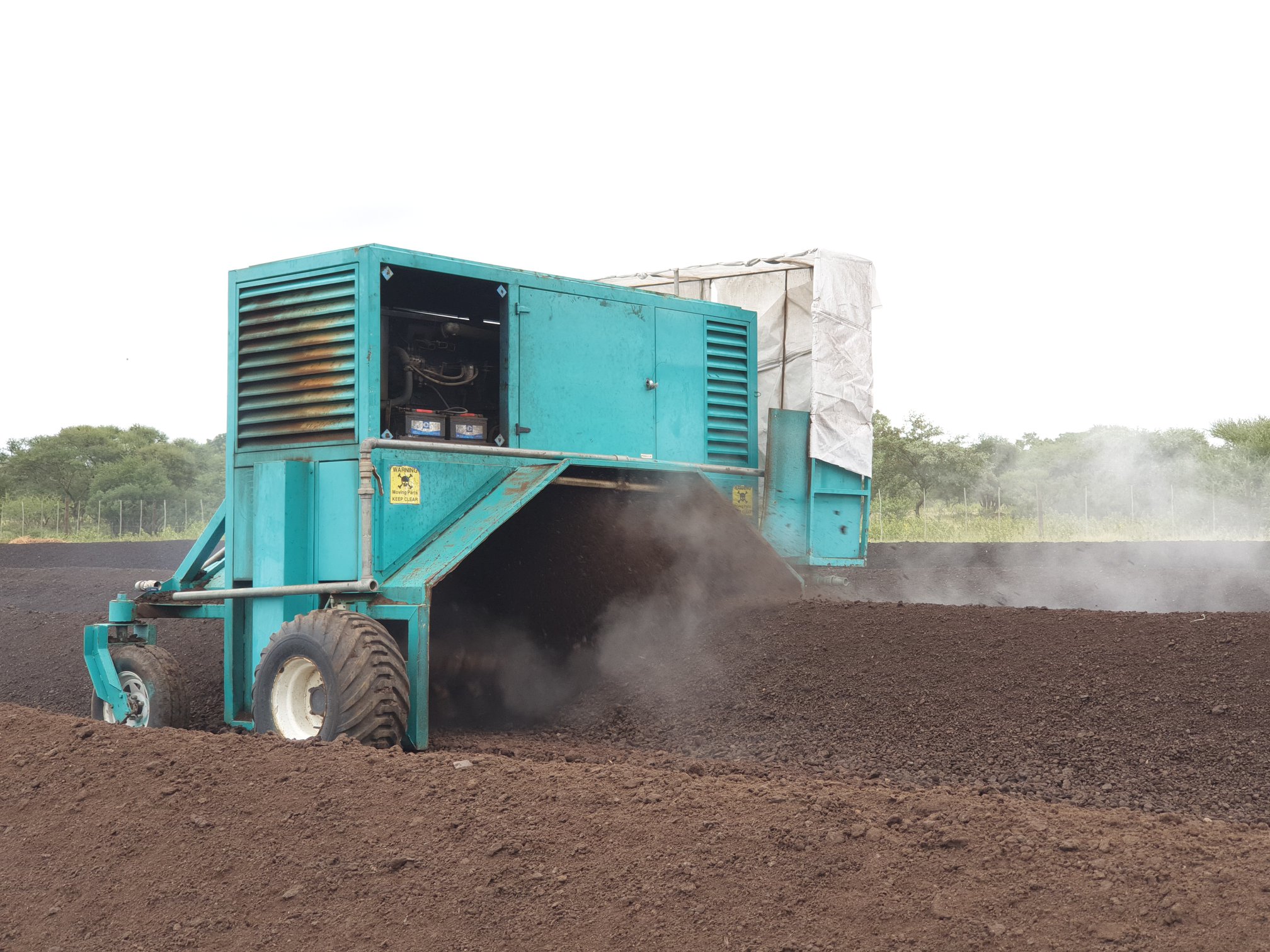
The Path Forward- Focus on Soil Health:
Improving soil health is simpler than it seems and has immense environmental benefits. It’s crucial to align our work with future food demands and earn consumer trust.
Challenges & Solutions:
- Soil & Environmental Degradation: Intensive farming damages ecosystems. RA reverses this by increasing soil organic matter and capturing CO₂ – offering real climate benefits.
- Water Use: Overuse of groundwater threatens sustainability. RA improves soil’s water retention and infiltration, enhancing water efficiency.
Transition Cost Misconception:
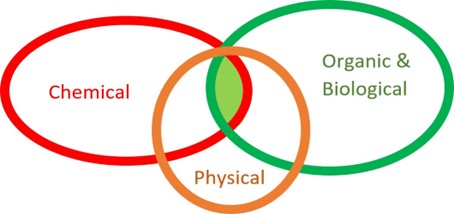
Unlike full organic certification, which can be costly upfront, RA reduces costs from the beginning. Full organic conversion isn’t always practical or necessary. A balanced, blended approach (combining the best of organic and conventional methods) is both realistic and effective.
The Future Attention Area of Fertilizer:
Are You a MORE-ON Farmer OR have You Learned The LESS-ON?
There are many MORE-ON farmers who’ve been persuaded that putting MORE-ON is best. Cropping programs nowadays are MORE complex and expensive, putting farmers deeper into debt.
The most successful farmers are therefore those who’ve learned that LESS-ON, where feasible, is best. Diagram below shows best return vs input costs (Profit), comes from the Optimum NOT the Maximum.
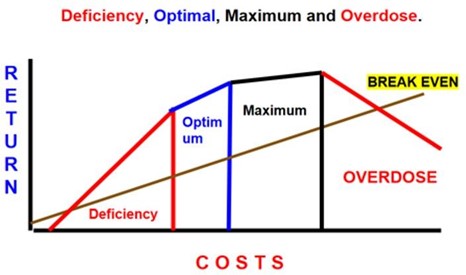 MORE-ON often lands up in, the Overdose zone
- The last few % to get maximum Yield costs more than the benefit.
LESS-ONS are found in the Optimum zone = Maximum Profit/ROI
- MORE-ON may benefit where there are deficiencies. But that said, Overdoses often indirectly lead to induced deficiencies. E.g. excess Ca = Mg deficiency.
MORE-ON is leading to Bankruptcy.
What are the BENEFITS of learning the LESS-ON?
- Saving on inputs.
- Overdose = weaker plants, more pests and disease and reduced quality. PLUS, EXTRA COSTS.
- LESS-ON = Higher profits, Lower Inputs and Better Cash Flow.
- LESS-ON includes abandoning areas costing you money = MORE Profit on a smaller area = LESS work = MORE time = LESS stress and MORE holidays!
How do you achieve this? – Identify your farm’s YQ (Yield & Quality)
High YQ Farming is similar to Precision Farming but includes SOIL QUALITY and what NATURE SUPPLIES and compares them against PERFORMANCE INDICATORS to identify how to maximize YIELD & QUALITY and therefore PROFITS.
The demand for quality has already taken off overseas e.g. Chemical residues, Shelf life, Nutrient Density, Taste, Appearance, and Size. Getting this right adds a lot to your bottom line.
Summary:
Global organizations have acknowledged the critical need for regenerative agriculture (RA), setting targets for 2050. However, with over 30 years of combined expertise, we have the capability to reach these goals by 2030—or even sooner. Starting now, we can immediately reduce costs without sacrificing yield or quality, while positioning ourselves to benefit from rising demand and premium prices for high-quality produce.
Our focus on High YQ (Yield + Quality) farming accelerates return on investment, delivering results faster. The products and practices we’ve identified are not only effective but also cost-efficient, enabling profitability from day one.
Often overlooked is the significant impact of soil health on reducing costs across various production sectors. By addressing soil-related issues, numerous other challenges can be resolved simultaneously.
Healthy soil → Healthy plants → Healthy animals → Healthy humans
About OFMB:
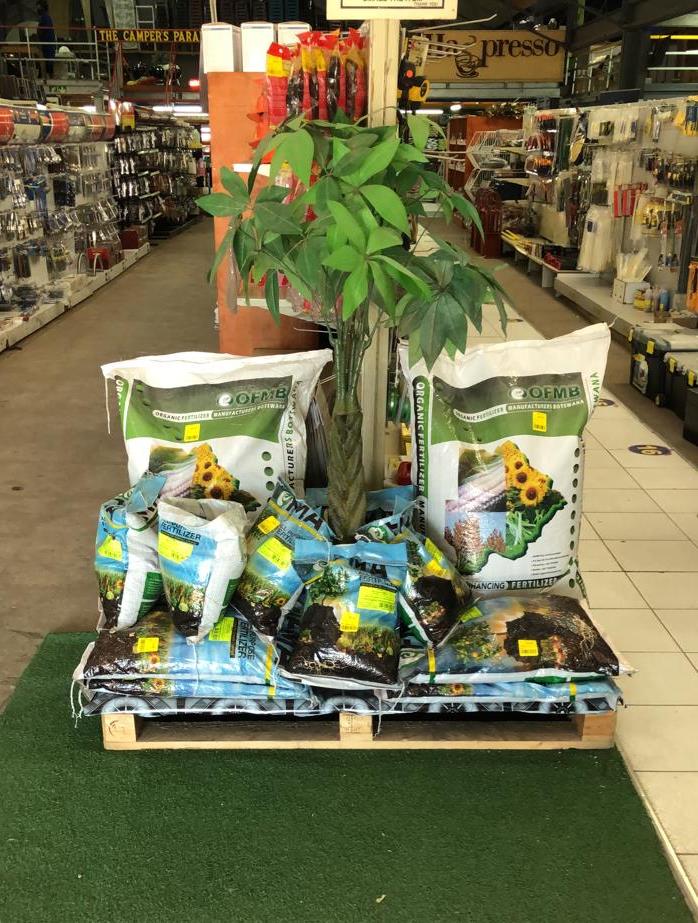
Organic Fertilizer Manufacturers Botswana (OFMB), based in Botswana is a prominent manufacturer of organic fertilizers. Established in 2011, OFMB specializes in granulated organic and organically blended fertilizers, utilizing locally sourced animal waste, particularly from beef feedlots. Their products are registered throughout the SADC region and are exported to various countries in Africa.
Website: www.organicfmb.com
Contact Person: Mike Hallam
Phone: +267 76 065 265
E-mail: mike@organics.earth
To list your business email – marketing@agri4africa.com
For products or equipment queries email – info@agri4africa.com
For events email – marketing@agri4africa.com
